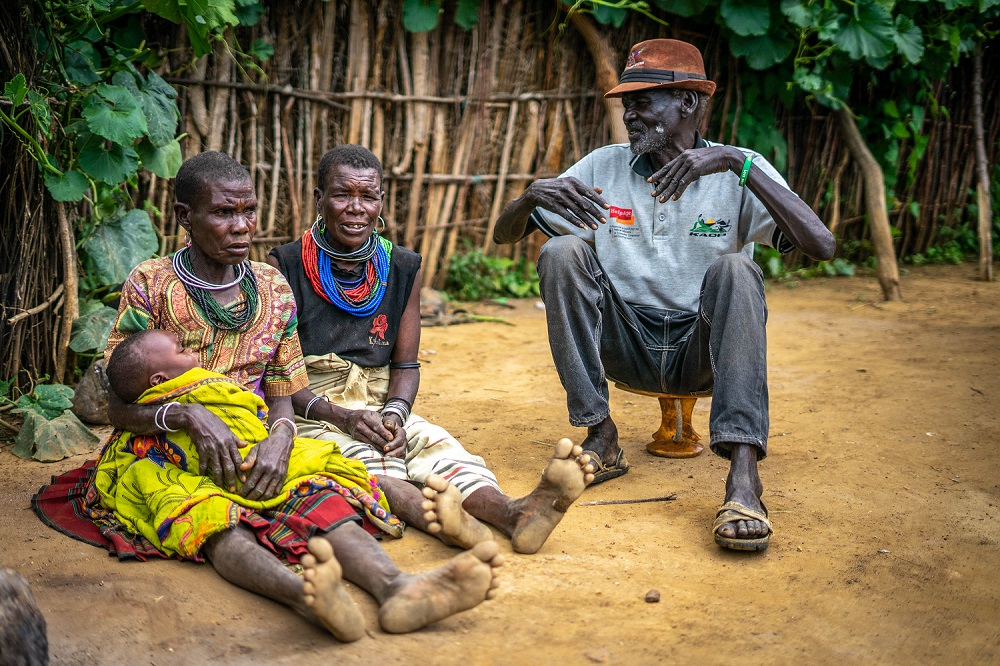
In Uganda, elders are more than just senior members of the community; they are the backbone of social structures, cultural traditions, and community life. Their role extends beyond age, embodying wisdom, experience, and leadership. Across the country’s diverse ethnic groups and communities, elders hold a revered status and are respected for their ability to guide, teach, and preserve traditions. In Uganda’s rural areas, particularly, elders continue to play a pivotal role in shaping not only the future of families but also the development of entire villages and communities.
The Significance of Elders in Ugandan Culture
Elders in Uganda are considered the custodians of the country’s rich cultural heritage. Their deep understanding of traditional customs, norms, and societal roles makes them invaluable in maintaining the fabric of society. From the Baganda in the central region to the Basoga in the east, elders are seen as the keepers of ancestral knowledge, playing a crucial role in preserving Uganda’s historical narrative.
1. Custodians of Tradition and Culture
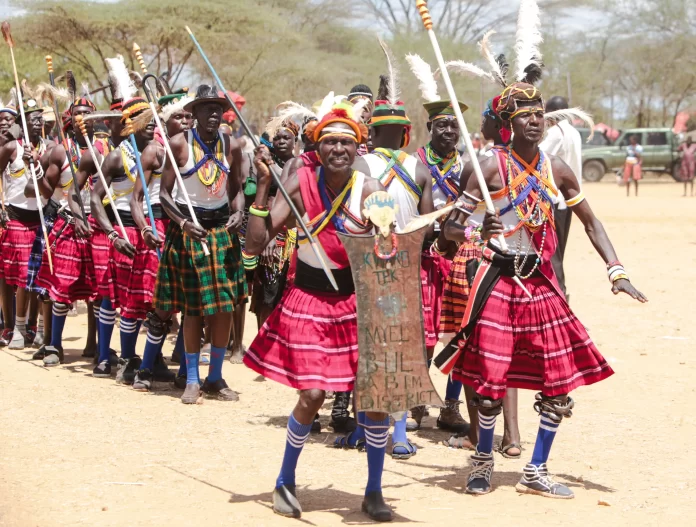
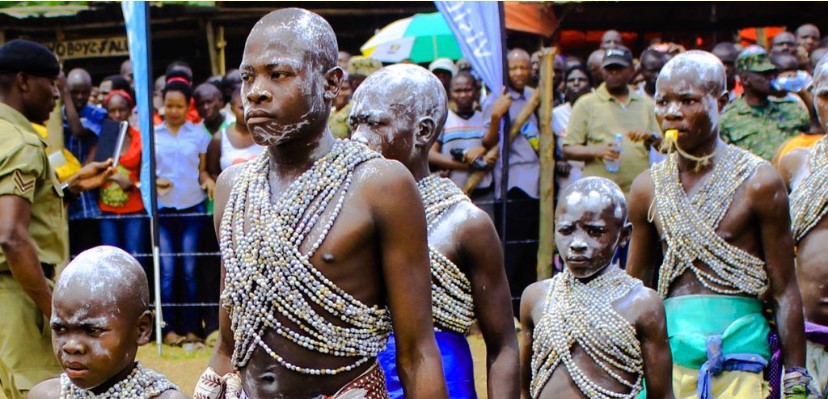
Elders are the stewards of tradition in Uganda. They are responsible for ensuring that cultural practices, ceremonies, and rites of passage are passed down through generations. Whether it’s the initiation rites of the Banyankole, the wedding ceremonies of the Baganda, or the cattle-herding traditions of the Bakiga, elders are instrumental in ensuring that these practices are upheld.
Many traditional ceremonies—such as naming ceremonies, funerals, and harvest festivals—are presided over by elders, who perform essential rituals, offer prayers, and pass on the knowledge of these sacred traditions to the younger generation.
Elders as Leaders and Decision-Makers
In Ugandan society, elders are often seen as natural leaders, revered for their wisdom and experience. They hold positions of power and influence within their communities and are involved in decision-making processes on both a local and familial level.
2. Community Governance and Conflict Resolution
Elders serve as mediators in community conflicts, playing an essential role in peacebuilding. In many rural villages, when disputes arise—whether over land, resources, or interpersonal conflicts—the community often turns to elders for resolution. They are trusted to settle disputes impartially, often through traditional councils known as “Elders’ Courts” or “Lukiiko” in Buganda.
These community meetings, led by respected elders, are not only about resolving conflicts but also about instilling values of unity, respect, and harmony. Elders use their authority to reinforce the importance of social cohesion and community welfare.
3. Involvement in Family Matters
Elders are also crucial in family governance. In Ugandan societies, families often look to their elders for guidance in important life decisions, such as marriages, inheritances, and child-rearing. Elders are the primary advisors to younger generations on matters of family life, education, and health.
They also hold great influence when it comes to bride price discussions in marriage, as many elders are called upon to negotiate and formalize such cultural exchanges, ensuring that the marriage rites are carried out according to traditional customs. In some cultures, elders help ensure the unity and stability of families by overseeing relationships and offering counseling during times of familial discord.
Spiritual Guidance and Moral Leadership
In many Ugandan communities, elders are regarded as spiritual guides. Their deep knowledge of both traditional beliefs and religious teachings allows them to lead with a moral compass that balances the spiritual and practical aspects of life. They often lead prayers, offer spiritual blessings, and mediate between the living and the ancestors.
4. Elders as Spiritual Leaders
In various Ugandan cultures, such as the Bunyoro and Baganda, elders have a central role in sacrifices, rituals, and ceremonial prayers that are believed to connect the community to ancestral spirits. Their guidance is sought in times of crisis, when communities need to draw on spiritual strength to overcome adversity.
Whether it’s for agricultural blessings or family prosperity, elders use their spiritual wisdom to guide their people through the challenges of life.
Elders as Educators and Mentors
One of the most significant roles that elders play in Ugandan society is as teachers and mentors. They are responsible for passing on practical and moral knowledge that shapes the future of the community.
5. Teaching Life Skills and Values
Elders are seen as the principal educators of the younger generation, imparting knowledge not only about culture and history but also about life skills and ethical behavior. They teach the youth about respect, duty, responsibility, and the importance of community. In rural areas, elders still pass down practical skills such as farming techniques, traditional medicine, and craftsmanship.
Their influence on young people extends to moral education, where elders emphasize values such as honesty, hard work, humility, and the importance of family. They guide the youth on how to face life’s challenges and fulfill their roles within the broader society.
6. Maintaining Intergenerational Bonding
In many Ugandan communities, elders play a key role in strengthening the intergenerational bond between the young and old. In village life, young people are often encouraged to interact with elders, listen to their stories, and learn from their experiences. This interaction promotes a sense of community unity and intergenerational understanding that is crucial for social harmony.
Challenges Facing Elders in Uganda Today
While elders in Uganda hold a position of great respect, they also face several challenges in the modern world. The rapid pace of urbanization, the erosion of traditional values, and the influence of modern technology have created tensions between younger generations and elders. In some cases, the authority of elders is being undermined by the pull of modernity, and there is concern that valuable traditional knowledge is being lost.
7. Changing Roles in a Modern Society
As Uganda continues to develop, there is a growing gap between younger generations and elders, especially in urban areas. The younger generation, influenced by technology and globalization, may not always recognize the importance of maintaining traditional values, leading to cultural disconnects. Additionally, rural-to-urban migration has reduced the proximity between elders and the younger generation, making it harder for them to impart their wisdom.
Conclusion: The Timeless Role of Elders
Elders in Uganda continue to be the foundation of cultural continuity, leadership, and social stability. Despite modern challenges, they remain essential to the preservation of Uganda’s rich traditions and values. Their wisdom, experience, and spiritual guidance play an irreplaceable role in shaping the future of Ugandan society. It is essential for both young and old to recognize the importance of the elder’s role and work together to ensure that Uganda’s cultural heritage is preserved for future generations.
In the face of change, elders remain steadfast in their dedication to preserving Uganda’s past, ensuring that their wisdom continues to guide the community toward a future rooted in cultural pride and unity.
2 responses to “The Role of Elders in Ugandan Society”
That’s cool it’s fabulous thanks for the team.
Welcome Muwanguzi Samuel thank you for your appreciation!!!!!