Ugandan cuisine is a fusion of African, British, and Asian flavors, reflecting the country’s rich cultural heritage. From staple dishes like matooke and posho to flavorful stews and sauces, Ugandan food is a delight for the senses.
Popular Ugandan Dishes
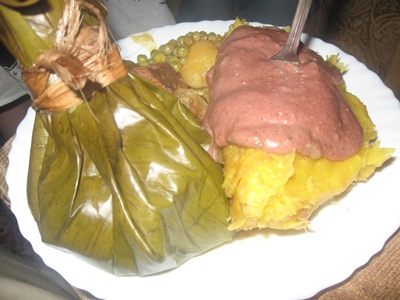
1. Matooke: Steamed or boiled green bananas, often served with vegetables or meat.
Credit be given to African foods with Lilly
2. Posho: A staple dish made from maize flour or cassava flour.
3. Rolex: A popular street food consisting of a rolled chapati filled with eggs, vegetables, and sometimes meat.
4. Groundnut Sauce: A rich and nutty sauce made from groundnuts (peanuts) and often served with rice or matooke.
Cultural Significance of Food
In Uganda, food plays a significant role in bringing people together and strengthening community bonds. Traditional dishes are often served at social gatherings and celebrations, highlighting the importance of food in Ugandan culture.
some popular dishes from various cultures within Uganda:
Baganda (Central Uganda)
1. Matooke: Steamed or boiled green bananas, often served with vegetables or meat.
2. Kikomando: A dish made from boiled beans and matooke.
3. Muchomo: Roasted cassava leaves.
Acholi (Northern Uganda)
1. Malakwang: A traditional soup made from malakwang leaves (a type of spinach) and often served with simsim (sesame seeds).
2. Atapa: A dish made from cassava leaves and peanuts.
Bagisu (Eastern Uganda)
1. Mbusa: A traditional dish made from cooked bananas and beans.
2. Malewa: A type of traditional beer made from bananas or cassava.
Ankole (Southwestern Uganda)
1. Esha: A traditional dish made from cooked beans and vegetables.
2. Matooke with beans: A staple dish in Ankole culture.
Karamoja (Northeastern Uganda)
1. Akweeze: A traditional dish made from sorghum flour and often served with milk or meat.
2. Ekalang: A dish made from cooked meat and vegetables.
These are just a few examples of the diverse and rich culinary traditions found within Uganda’s various cultures.