Banyankole Culture
The Banyankole are a Bantu ethnic group located mainly in southwestern Uganda, in a region historically known as Ankole.
1. Location & Language
- Found in districts like Mbarara, Bushenyi, Ntungamo, Kiruhura, Ibanda, and others.
- Speak Runyankole, a Bantu language closely related to Rukiga and Runyoro.
2. Social Structure & Kingdom
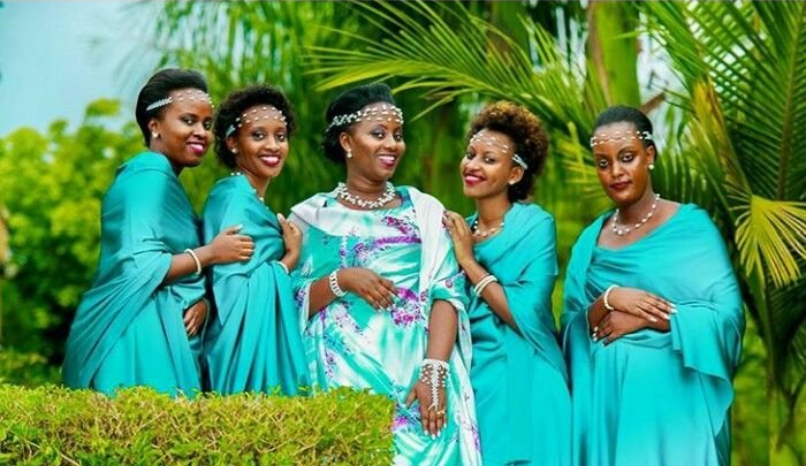
- Traditionally ruled by a king called the Omugabe of Ankole.
- The kingdom had two main classes:
- Bahima – cattle keepers (pastoralists)
- Bairu – crop farmers
- The Ankole Kingdom was abolished in 1967 (with other kingdoms) and has not been restored officially, although it remains culturally important.
3. Family & Marriage
- Patrilineal society, where inheritance and clan identity come from the father.
- Bride price (emihingiro) is very important, often paid in cows.
- Marriage is highly valued, and traditionally, virginity was emphasized for girls.
- Elders and parents are deeply involved in marriage arrangements.
4. Cattle & Wealth
- Among the Bahima, cows are central to life — symbols of wealth, status, and beauty.
- Cows are used in dowry, rituals, and daily livelihood.
- Names are often given based on cows and their colors or patterns.
5. Food
- The Banyankole diet includes:
- Milk and dairy (yoghurt, ghee, butter) – especially among Bahima.
- Millet bread (karo) and matooke (steamed bananas).
- Beans, meat, and vegetables like pumpkin.
- Milk is a respected food and even used ceremonially.
6. Religion & Beliefs
- Today, most Banyankole are Christians (Catholics and Anglicans), with some Muslims.
- Traditionally, they believed in a supreme god Ruhanga, and spirits called emandwa.
- Traditional medicine and spiritual healing were common before the spread of formal religion.
7. Culture, Music & Dance
- Known for folk songs, proverbs, and oral storytelling.
- Traditional dances include Ekitaguriro, a graceful dance often done in circles.
- Musical instruments: Drums (engoma), flutes, and harps.
Credit be given to Nkore Media TV
8. Modern Life
- The Banyankole are prominent in Uganda’s politics, education, and business.
- Mbarara, the largest city in the region, is a major urban and economic center.
In Brief
- Ethnic group: Banyankole
- Language: Runyankole
- Region: Southwestern Uganda
- Social classes: Bahima (cattle) and Bairu (farmers)
- Culture: Cattle, marriage customs, music, and storytelling
- Kingdom: Ankole (Omugabe) – not yet restored officially