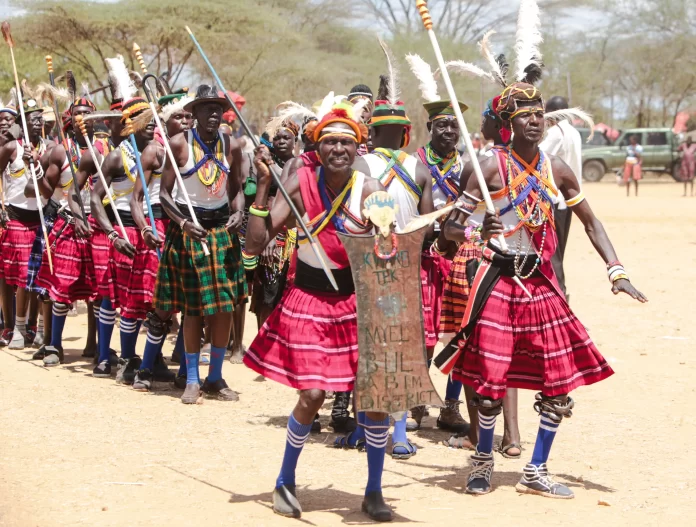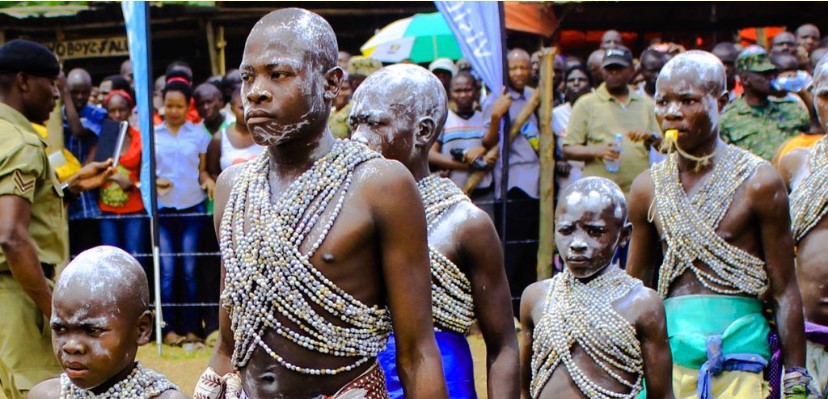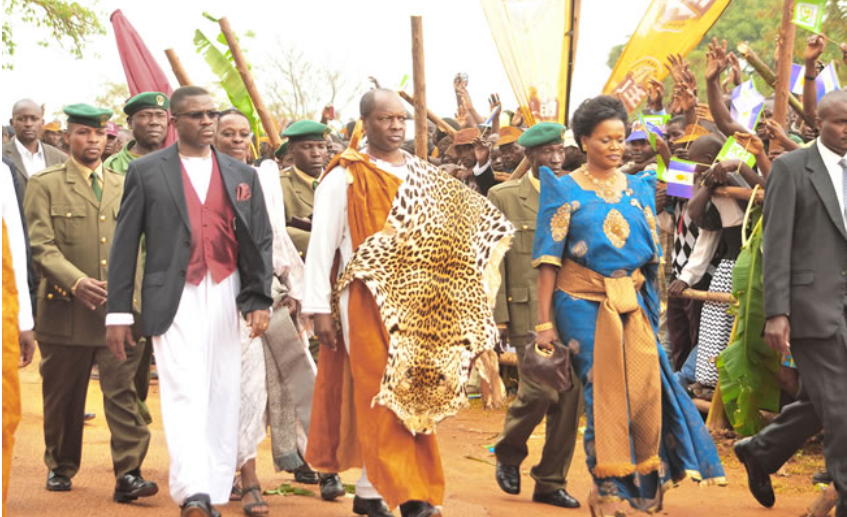
Uganda, a land of rich traditions and diverse cultures, is home to several kingdoms that have shaped the country’s history, governance, and cultural landscape. From the Kingdom of Buganda, the largest and most influential, to smaller kingdoms like Toro, Bunyoro, and Busoga, each kingdom contributes to Uganda’s rich cultural tapestry. These kingdoms have a deep historical significance that continues to influence Uganda’s social, political, and cultural fabric today.
The Kingdom of Buganda: Uganda’s Most Prominent Kingdom
The Kingdom of Buganda is the largest and most influential of Uganda’s traditional kingdoms. Its historical significance stretches back to the 13th century when the Baganda people established the kingdom along the shores of Lake Victoria. Buganda became a powerful kingdom through its centralized system of governance, military strength, and strategic location.
Origins and Early History
Buganda’s origins are rooted in oral history, which speaks of its establishment by the legendary ruler Kato Kintu. According to legend, Kato Kintu was the first king of Buganda, who established the kingdom around the 13th century. He is said to have been sent by the gods to rule over the land. Buganda grew through military conquests and alliances with neighboring tribes. By the 19th century, Buganda had become a major player in East African politics.
The Role of the Kabaka (King)
At the heart of Buganda’s governance is the position of Kabaka (king). The Kabaka is both the spiritual and political leader of the Baganda people, considered to be the representative of the gods on earth. The Kabaka’s role is not just ceremonial but deeply involved in the kingdom’s administration, law, and cultural preservation. Historically, the Kabaka had control over land, taxes, and military forces, making him the supreme authority.
One of the most significant Kabakas in history is Kabaka Mwanga II, who ruled at the time of British colonialism in Uganda. His reign was marked by resistance to British rule, which led to the Uganda Martyrs’ persecution—a pivotal moment in Uganda’s religious history.
Cultural Legacy and Influence
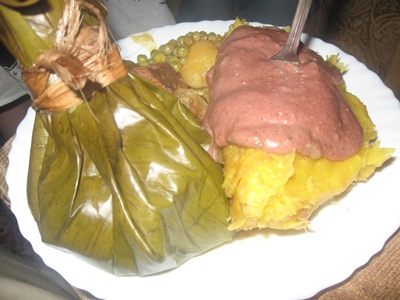
Buganda’s influence extends far beyond politics. The Baganda people have significantly contributed to Uganda’s music, dance, language, and arts. The iconic Amadinda (xylophone), engoma (drums), and Lukiiko (parliament) are part of the kingdom’s rich cultural heritage. The Ganda language is one of Uganda’s most widely spoken languages, and many of Uganda’s cultural practices, such as the traditional Luwombo dish, are of Baganda origin.
The Kingdom of Toro: A Royal Legacy in the Western Highlands
The Kingdom of Toro, located in the western part of Uganda, has a unique and rich history dating back to the early 19th century. Toro was founded by Omukama Kaboyo in 1830, making it one of Uganda’s youngest kingdoms. However, its history and royal traditions are deeply rooted in Uganda’s cultural landscape.
Origins and Early History
Toro’s origins are tied to the migration of the Batoro people from Bunyoro. The kingdom was originally a part of the Bunyoro-Kitara Kingdom, but in the early 19th century, a split occurred, and Toro became an independent kingdom. The creation of Toro was largely influenced by the power struggles between rival factions within the Bunyoro kingdom. Toro’s first king, Omukama Kaboyo, laid the foundation for the kingdom’s governance.
The Role of the Omukama (King)
The Omukama of Toro is the cultural and political leader of the Batoro people. Similar to the Kabaka of Buganda, the Omukama’s role is both symbolic and practical. The Omukama of Toro has traditionally been seen as a spiritual guide and protector of the kingdom’s traditions. The royal family plays an important role in the kingdom’s cultural events, and the coronation of a new Omukama is an elaborate ceremony that is of great significance to the people of Toro.
Cultural Influence and Traditions
Toro has a rich cultural heritage that includes traditional music, dances, and art. The Engabire dance, performed during royal ceremonies, is one of Toro’s most iconic cultural expressions. Toro is also known for its beautiful royal regalia, including the king’s crown and ceremonial robes, which are made from local materials and hold deep symbolic meaning.
The kingdom is also famous for its royal cattle, which are highly prized for their beauty and spiritual significance. Cattle in Toro are a symbol of wealth and status, and they play an essential role in the kingdom’s rituals and ceremonies.
The Kingdom of Bunyoro: A Historical Powerhouse
The Kingdom of Bunyoro is one of Uganda’s oldest and most historically significant kingdoms. Situated in the western region of Uganda, Bunyoro has a rich and complex history that spans centuries. It was once the most powerful kingdom in the region, dominating much of present-day Uganda and parts of neighboring countries.
Origins and Early History
Bunyoro’s history dates back to the 14th century. The kingdom was founded by Nyoro, the first monarch, and grew in power through military expansion and strategic alliances. Bunyoro’s peak occurred during the reign of Omukama Kyebambe, who ruled the kingdom in the 16th century and expanded it to its greatest territorial extent.
In the 19th century, however, Bunyoro began to lose its influence, largely due to British colonialism, which weakened the power of traditional rulers. Despite this, Bunyoro remains a symbol of Uganda’s ancient history and cultural pride.
The Role of the Omukama (King)
The Omukama of Bunyoro is the traditional leader of the kingdom. Although Bunyoro lost much of its political power during colonial times, the Omukama continues to hold a respected cultural role. The Omukama’s reign is deeply tied to the preservation of Bunyoro’s ancient traditions, and the kingdom celebrates its royal heritage with significant cultural events, such as the Empango (coronation ceremony).
Cultural Significance
Bunyoro’s cultural influence is significant, with traditional practices like the Ekitaguriro dance and the use of the Bunyoro drum as part of the kingdom’s heritage. The kingdom is also known for its beautiful Bunyoro art, particularly the intricate pottery, which has been passed down through generations.
The Kingdom of Busoga: A Land of Diverse Traditions
The Kingdom of Busoga is situated in the eastern region of Uganda, near the shores of Lake Victoria. The kingdom is made up of several tribes, with the Basoga being the most prominent. Although Busoga is smaller compared to Buganda, it has a rich history and a unique cultural identity.
Origins and Early History
Busoga was established in the 18th century and was historically ruled by a series of chiefs who were eventually consolidated under a single leader known as the Kyabazinga. The Kyabazinga of Busoga is the cultural head of the kingdom, overseeing the preservation of the region’s customs and traditions.
The Role of the Kyabazinga (King)
The Kyabazinga is the leader of Busoga and acts as a cultural figurehead, although the kingdom has not retained the same political power it once had. The Kyabazinga plays an important role in upholding the traditions and values of the Basoga people, and their leadership is marked by several significant ceremonial events.
Cultural Influence
The Busoga people are known for their beautiful traditional dances, particularly the Basoga dance, which is performed during major celebrations. The kingdom is also famous for its royal regalia, which includes crowns, spears, and shields that are used in traditional ceremonies.
The Legacy of Uganda’s Kingdoms Today
The kingdoms of Uganda, though largely symbolic today, continue to play an important role in preserving the cultural heritage and traditions of their people. The Kabakas of Buganda, the Omukamas of Toro and Bunyoro, and the Kyabazingas of Busoga remain revered leaders, and their kingdoms are vital cultural centers.
Today, these kingdoms are central to Ugandan identity, with their history and traditions influencing everything from local governance to modern Ugandan culture. The kingdoms also continue to serve as custodians of Uganda’s traditions, arts, and languages, ensuring that their rich legacies live on for future generations.