Introduction:
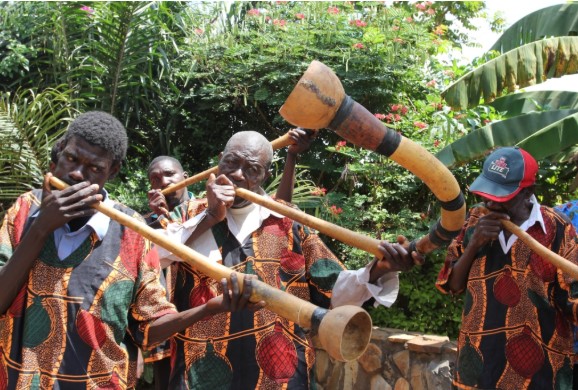
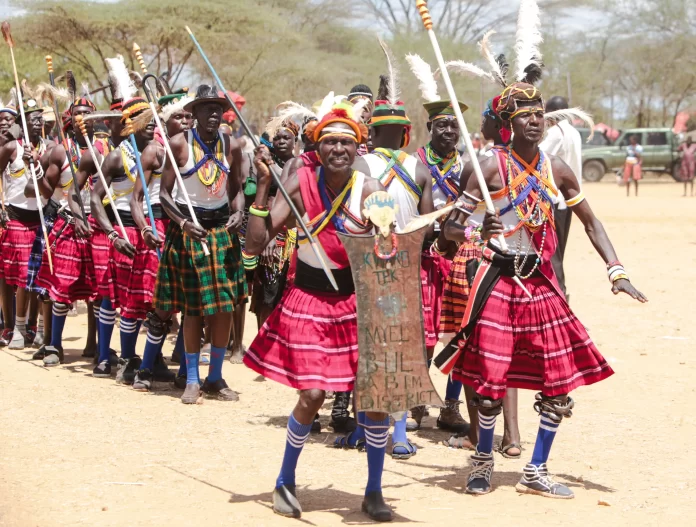
Uganda is a country rich in cultural diversity, and one of the most powerful ways this diversity is expressed is through traditional music. Each ethnic group has its unique musical style, instruments, and rhythms that are deeply tied to the cultural practices, ceremonies, and celebrations of the community. In this article, we will explore the significance of traditional music in Uganda and its role in preserving cultural identity.
The Sounds of Uganda’s Diversity
From the energetic drumming of the Baganda to the calming melodies of the Banyankole, Uganda’s traditional music is as varied as its people. We will take a journey through some of Uganda’s most prominent ethnic groups and their musical traditions. Learn about the different instruments, such as the Amadinda (a traditional xylophone) of the Baganda, the Enkoni (a traditional stringed instrument) of the Banyankole, and the Adungu (a bow-shaped harp) of the Lango.
Cultural Significance:
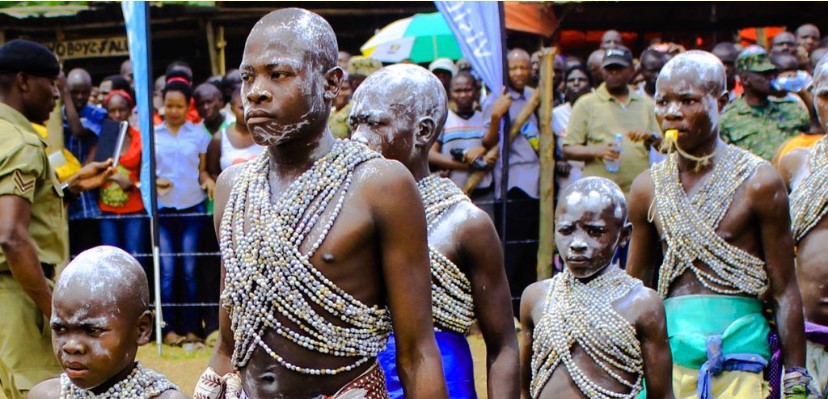
Traditional music in Uganda is not just for entertainment—it serves an essential role in everyday life. It is used in storytelling, rituals, healing, and social events. For instance, in the Buganda Kingdom, drumming accompanies ceremonies like Kwanjula (the introduction ceremony), while among the Basoga, music plays an integral part in Ekitaguriro (the traditional rite of passage).
Music as a Form of Identity
Music is a reflection of identity in Uganda. It tells stories of history, lineage, and cultural values. By preserving these songs and rhythms, Ugandans are able to pass down their history and share their cultural pride with future generations. Traditional music fosters a sense of unity, connects people to their past, and strengthens their cultural pride.
Challenges and Preservation Efforts:
In today’s rapidly changing world, traditional music faces many challenges, from the influence of modern music genres to the loss of knowledge about traditional instruments. However, many cultural organizations, musicians, and schools are working hard to preserve these vital aspects of Uganda’s heritage. Programs that teach traditional music and instruments are helping to revitalize interest among young people.
Conclusion:
Traditional music is more than just a sound in Uganda—it’s a crucial part of the country’s identity and cultural fabric. By supporting the preservation and appreciation of traditional music, we can ensure that Uganda’s rich heritage continues to thrive for generations to come.
2 responses to “The Role of Traditional Music in Ugandan Culture: A Deep Dive into the Sounds of Our Heritage”
Good
Thank you sir for your appreciation